

Business growth becomes difficult when marketing, sales, customer service, content, and revenue teams work with different systems and incomplete customer information. HubSpot addresses this problem through an agentic customer platform that connects data, people, processes, and AI-powered tools within one environment. Rather than forcing teams to piece together a customer’s journey from scattered applications, HubSpot gives them a shared understanding of every interaction. Its combination of Smart CRM, specialized Hubs, automation, and intelligent agents helps companies attract audiences, develop relationships, close opportunities, and support customers with greater consistency.
Smart CRM Creates One Reliable Customer Story
HubSpot’s Smart CRM operates as the central source of customer intelligence across the platform. Contact records can contain communication history, company information, sales activity, service requests, marketing engagement, and revenue details. Because teams work with connected information, a salesperson can understand which content interested a prospect, while a service representative can see the purchases and previous conversations associated with an existing customer.
The CRM also supports customizable data models, reporting, enrichment, duplicate management, and interface configuration. These capabilities help businesses shape the system around their own processes instead of working with rigid, disconnected spreadsheets. With cleaner information and better visibility, employees can make decisions based on a more complete customer story and provide experiences that feel relevant rather than repetitive.
Marketing Hub Turns Attention Into Opportunity
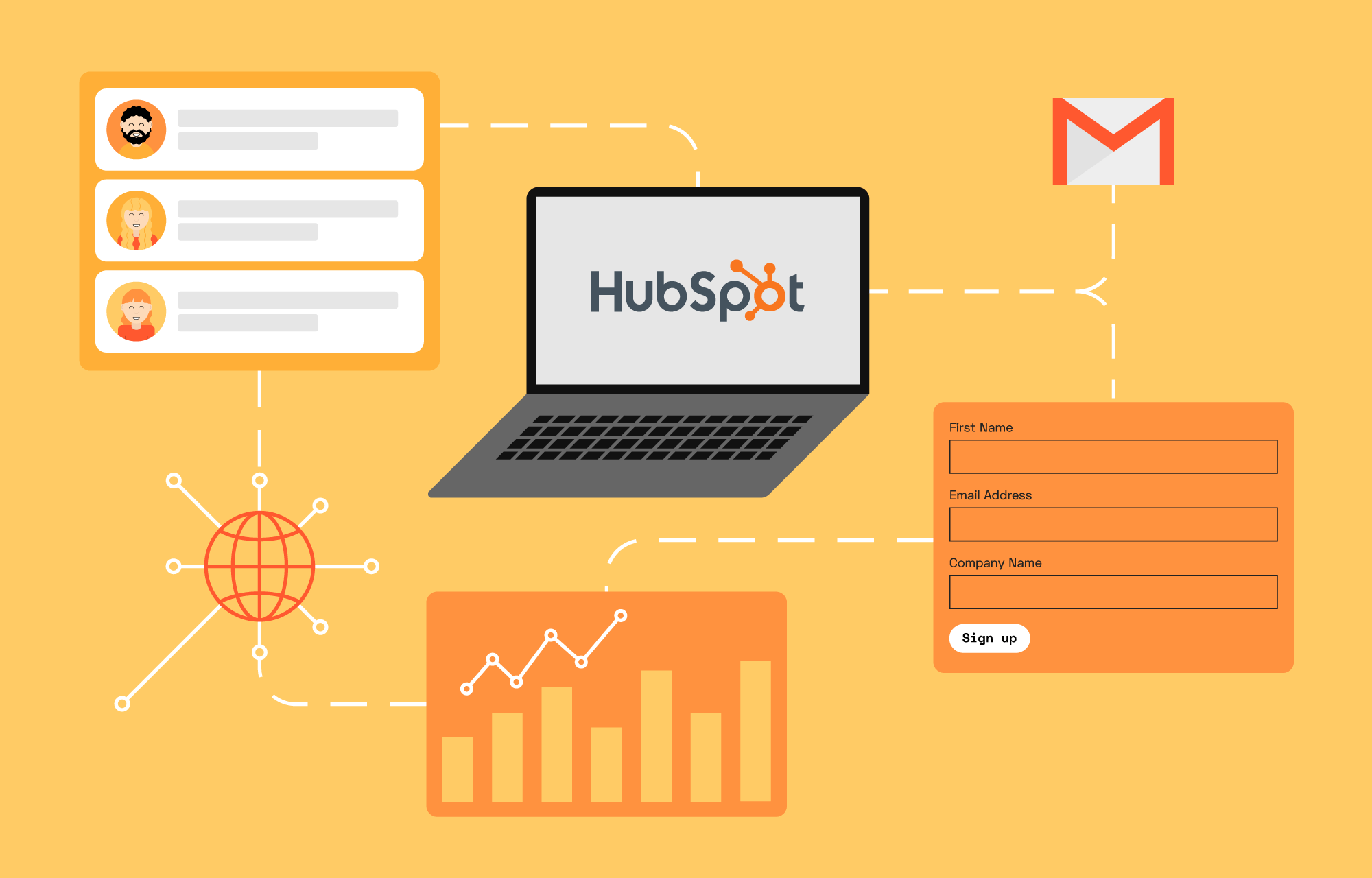
Marketing Hub brings lead generation, campaign management, email marketing, automation, analytics, and search optimization tools together. Teams can build forms and landing pages, segment audiences, nurture contacts, and monitor campaign performance without moving between numerous platforms. The result is a more organized marketing process in which creative work and measurable customer activity remain closely connected.
Omnichannel automation helps businesses communicate with prospects at appropriate stages of their journeys. Marketers can create workflows based on customer behavior, contact properties, or campaign engagement, reducing repetitive manual follow-up. Reporting tools then reveal which activities are generating attention, qualified leads, and commercial results, helping teams refine their strategy using evidence instead of assumptions.
HubSpot’s Product Hubs Working Together
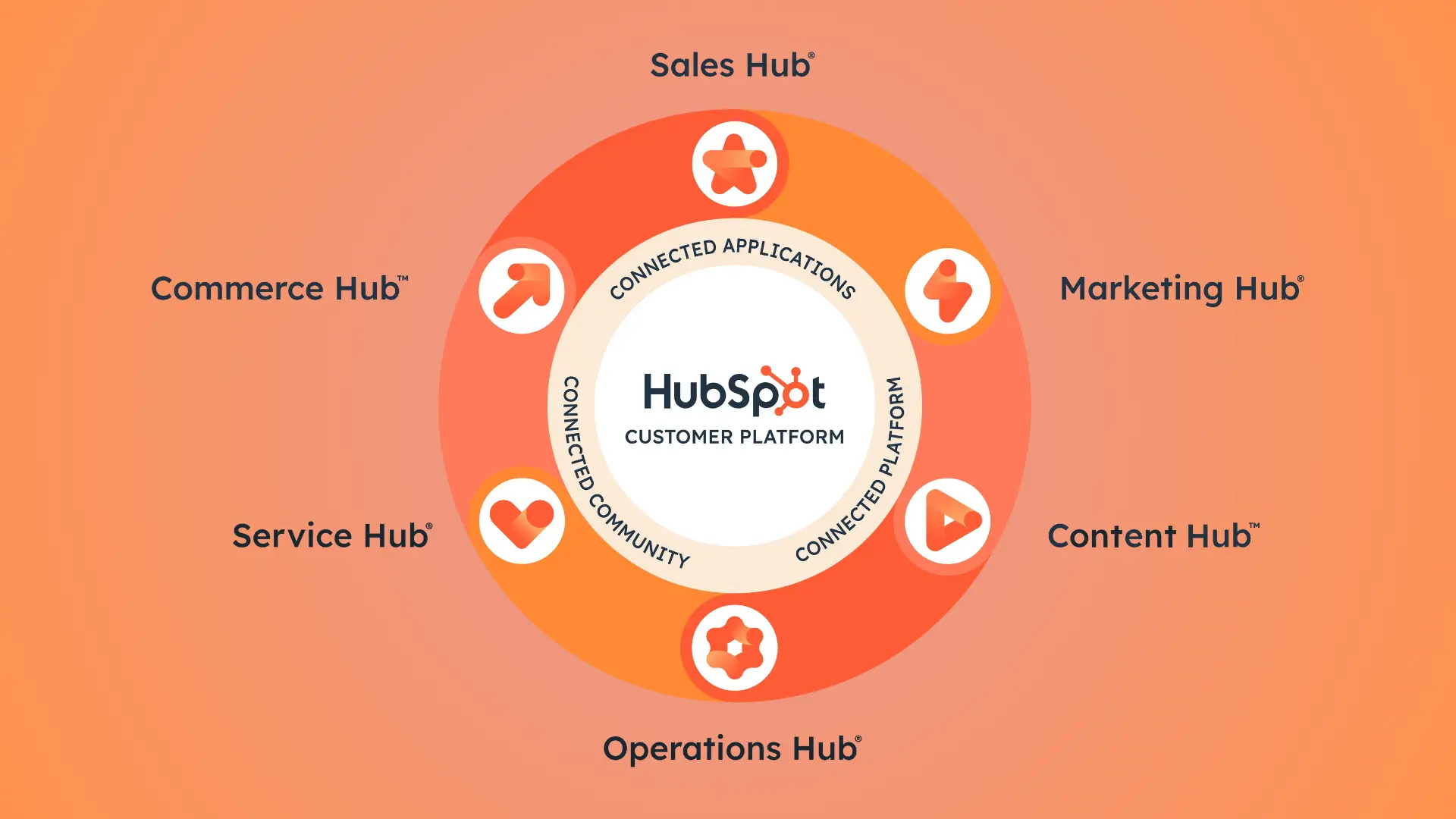
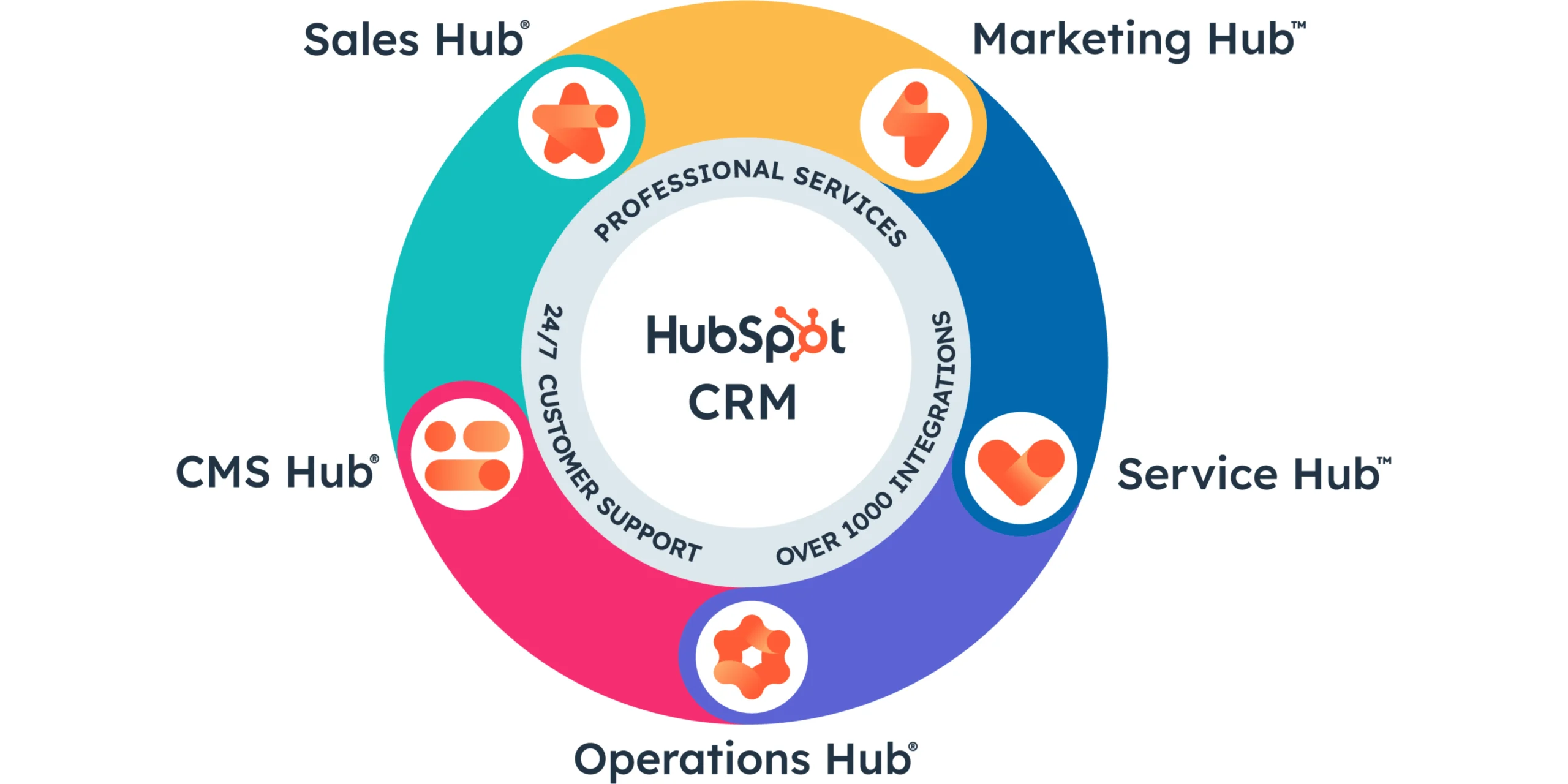
HubSpot provides specialized products for different business functions while keeping customer information connected through its shared platform. Organizations can select the tools that match their current needs and introduce additional capabilities as their operations become more sophisticated.
- Marketing Hub supports lead generation, campaign automation, audience engagement, and performance analytics.
- Sales Hub provides pipeline management, prospecting, forecasting, sequences, playbooks, and sales workspaces.
- Service Hub combines help desk operations, ticketing, customer success tools, feedback, and knowledge management.
- Content Hub helps teams create and manage websites, blogs, landing pages, podcasts, and gated content.
- Data Hub unifies business information and improves data quality through synchronization and automation.
- Revenue Hub connects quoting, billing, payments, e-signatures, and revenue reporting.
- Agent Hub provides a central place to build, manage, and deploy AI agents across the platform.
This connected product structure gives businesses room to grow without rebuilding their entire technology environment at every new stage. Teams retain their shared customer context while expanding into more advanced marketing, sales, service, data, and revenue workflows.
Sales Hub Keeps Promising Deals in Motion
Sales Hub gives representatives an organized workspace for managing prospects, deals, tasks, and communication. Teams can monitor pipeline stages, schedule meetings, create sales sequences, use playbooks, and forecast potential revenue. These functions reduce the administrative effort surrounding each opportunity, allowing sellers to dedicate more attention to understanding buyers and building persuasive, timely conversations.
AI-powered prospecting and predictive lead scoring can help teams recognize where their effort may have the greatest impact. Sales managers also receive clearer visibility into pipeline health, representative activity, and expected results. When sales information is connected with marketing engagement inside the CRM, follow-up becomes more informed, and prospects experience a smoother transition from initial interest to a serious buying conversation.
Service and Content Continue the Relationship
Service Hub helps customer-facing teams manage support requests through ticket pipelines, help desk workspaces, knowledge bases, routing, feedback tools, and customer success features. Requests can be directed according to employee skills or capacity, while organized customer records give agents the context required for more personal assistance. Businesses can also collect feedback and identify opportunities to improve retention after a purchase has been completed.
Content Hub supports the creation and management of websites, blog posts, landing pages, podcasts, and protected resources. AI-assisted features can help marketers develop, repurpose, and maintain content while preserving an established brand voice. When service insights and content tools work together, common customer questions can inspire helpful resources that educate audiences, support self-service, and strengthen relationships throughout the customer lifecycle.
AI Agents Bring Practical Intelligence to Every Team
HubSpot’s Agent Hub gives organizations a central environment for deploying and managing specialized AI agents. Customer agents can assist with service conversations, prospecting agents can support sales outreach, and data agents can help teams work with business information. Agent-building capabilities also give companies greater flexibility when adapting artificial intelligence to their particular workflows and objectives.
Breeze Assistant provides additional everyday support by helping users research, summarize, create, and work more efficiently with customer context. The advantage is not simply faster content production or automated responses; it is the ability to connect intelligent assistance with the same information already used by human teams. This helps AI become a practical part of daily work rather than another isolated application.
Where Connected Teams Turn Growth Into Momentum
HubSpot’s greatest strength lies in how its products reinforce one another. A marketing interaction can inform a sales conversation, a completed deal can flow into revenue processes, and a service request can become insight for future content. Instead of treating each department as a separate island, the platform creates a connected customer journey supported by shared data and coordinated action.

For growing businesses, that connection can mean fewer operational gaps, more productive teams, and experiences that customers recognize as genuinely consistent. With Smart CRM, powerful product Hubs, flexible automation, and an expanding collection of AI agents, HubSpot provides more than software for managing contacts. It offers a commercial foundation where every meaningful interaction can contribute to stronger relationships and sustainable growth.